The Importance of Quality in Aluminum: Understanding PremiumAlu
When it comes to manufacturing aluminum products, quality is paramount. PremiumAlu stands at the forefront of this industry by providing a diverse range of aluminum materials, intricately designed to meet various specifications. The understanding of what constitutes quality in aluminum products can significantly influence construction projects, product durability, and even environmental sustainability. A reliable aluminum provider is essential for homeowners, contractors, and businesses alike, ensuring that the materials used not only serve their purpose but also adhere to industry standards and regulations.
Key Factors That Define Quality Aluminum Products
When determining the quality of aluminum products, several key factors come into play. First and foremost is the purity of the aluminum itself. High-quality aluminum should consist of at least 99% aluminum, which signifies its strength, ductility, and resistance to corrosion. Additionally, the production methods—such as extrusion, forging, and welding—significantly impact the structural integrity of the final product. Other aspects include the finishing processes that enhance surface durability and aesthetics, as well as compliance with safety and environmental certifications.
Understanding Different Aluminum Alloys: An Overview
The choice of aluminum alloy can drastically affect a project's outcome. For instance, the 6061 alloy is known for its excellent mechanical properties, making it suitable for structural applications, while 7075 is renowned for its high strength-to-weight ratio, making it ideal for aerospace components. Understanding the distinctions between various alloys is vital for making informed choices tailored to specific requirements. The comprehensive resources provided by https://premiumalu.com/ can be invaluable when selecting the appropriate material for various applications.
How Production Techniques Affect Aluminum Quality
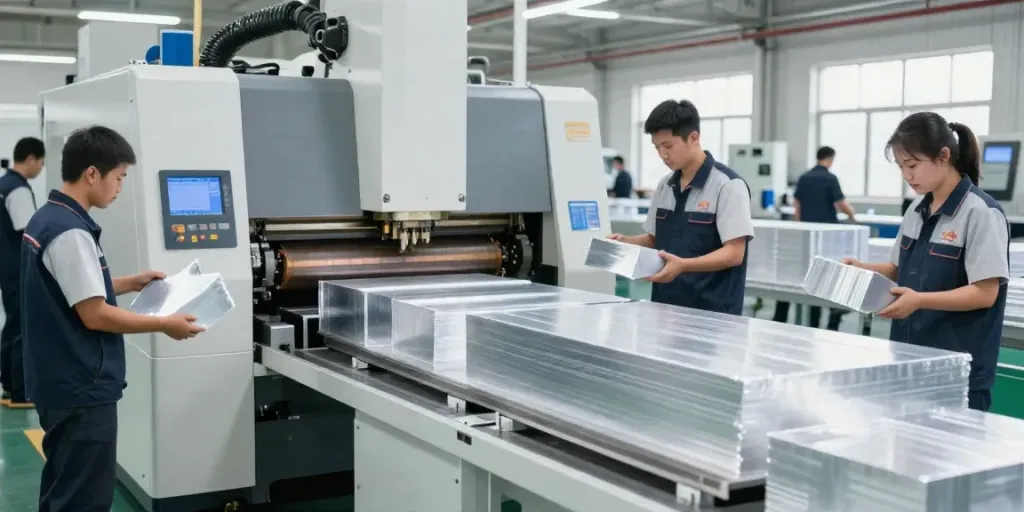
Production techniques have a profound influence on aluminum quality. For example, extrusion processes can create shapes that are either simple or complex, impacting weight and strength. Additionally, processes like annealing and quenching are essential for refining the aluminum's properties and enhancing its performance in various applications. To ensure the highest quality, manufacturers must adhere to strict protocols during production, maintaining sophisticated equipment and stringent quality control standards.
Choosing the Right Aluminum Manufacturer: A Local's Guide
Finding the right aluminum manufacturer can be daunting, but knowing what to look for can ease the process. A trusted aluminum provider should have a solid reputation within the industry, evidenced through customer testimonials, client relationships, and a visible presence in the local market. Familiarizing yourself with local suppliers that have experience in providing tailored solutions can significantly streamline your procurement process and ensure you receive the best materials available.
What to Look for in a Trusted Aluminum Provider
When selecting an aluminum supplier, inquire about their experience, the range of products offered, and whether they provide customization options. Verify their certifications, such as ISO 14001 for environmental management or OHSAS 18001 for health and safety, as these reflect their commitment to quality and compliance. Additionally, assess their production capabilities to ensure they can meet your requirements, be it in large quantities or specialty orders.
Evaluating Certifications and Compliance in Manufacturing
Compliance with industry standards is crucial when assessing potential aluminum suppliers. Make sure to investigate any relevant certifications related to both product quality and environmental impact. Suppliers that adhere to international standards are more likely to provide products that are both safe and reliable for your projects. By ensuring your supplier meets these certifications, you can further safeguard your investment and ensure project success.
The Importance of Customer Reviews and Testimonials
Customer reviews can provide critical insights into a supplier's reliability and the quality of their services. Seek out testimonials from previous clients, as these can offer a glimpse into the supplier’s operational integrity and commitment to customer satisfaction. Additionally, online platforms can provide unbiased feedback, helping you evaluate a provider's performance before making your decision.
Pricing and Cost Breakdown for Aluminum Products: What to Expect
The cost of aluminum products can vary widely based on several factors, including alloy type, form, quantity, and supplier markups. Typically, common alloys like 6061 can start at around $2.50 per pound while high-performance alloys such as 7075 might be priced above $5.00 per pound. Understanding the breakdown of these costs can help you develop a budget that aligns with your project needs while still ensuring quality.
Typical Price Ranges for Different Aluminum Alloys
Below is a general overview of price ranges for popular aluminum alloys:
- 3003 Aluminum Alloy: $2.00 - $3.00 per pound
- 5052 Aluminum Alloy: $2.50 - $3.50 per pound
- 6061 Aluminum Alloy: $2.50 - $4.00 per pound
- 7075 Aluminum Alloy: $4.00 - $6.00 per pound
- 2024 Aluminum Alloy: $3.50 - $5.00 per pound
Understanding Factors That Influence Aluminum Pricing
Several factors can affect aluminum pricing, including market demand, the price of raw materials, and global economic trends. Additionally, logistical costs associated with transportation and delivery can also contribute to price variations. Understanding these factors can aid you in strategizing your purchase, potentially allowing you to capitalize on favorable market conditions.
Maximizing Value: Tips for Budgeting Your Aluminum Needs
To ensure you receive the best value for your money, consider bulk purchasing or establishing ongoing relationships with suppliers that can lead to discounts. Always request quotes from multiple providers to compare pricing and services offered. Additionally, plan your purchases around market conditions to seize any opportunities for reduced pricing when demand dips.
Service Areas and Availability: Connecting with Local Aluminum Suppliers
Connecting with local aluminum suppliers has advantages, particularly in terms of availability and responsiveness. Ensuring that the supplier serves your area can enhance the efficiency of your supply chain. Many aluminum manufacturers offer specialized services tailored to the needs of contractors, architects, and trade professionals located in their respective regions.
How to Determine if the Supplier Serves Your Area
Validating that a supplier serves your location can typically be found on their website or by directly contacting their customer service. Consider searching for terms like "local aluminum supplier" in conjunction with your geographic location to discover available options. A reputable supplier should clearly outline their service areas on their site.
Local Regulations Impacting Aluminum Suppliers
Each locality has different regulations influencing how aluminum suppliers operate. Environmental regulations may dictate how materials are sourced or what waste disposal practices are permissible. Familiarizing yourself with such laws can help ensure compliance in your projects and avoid potential legal pitfalls.
Emergency Services and Fast Delivery Options
When working on construction projects, having access to fast delivery options can be a lifesaver. Be sure to ask potential suppliers if they offer expedited services or emergency responses. Having a supplier that understands the urgency of certain projects can mitigate risks associated with delays in construction timelines.
Ensuring You Get the Best: Warranties and Guarantees in Aluminum Manufacturing
Warranties and guarantees are important aspects to consider when investing in aluminum products. They serve as a promise that the materials you are purchasing will meet the specified standards. Before making a purchase, it is essential to inquire about the types of warranties available and their coverage parameters.
What Warranties Typically Cover in Aluminum Products
Most warranties for aluminum products include coverage for defects in material and workmanship. These warranties may vary in duration; standard lengths can range from one year to a lifetime based on the supplier's policies. It is crucial to read the fine print to understand what aspects are covered under warranty and what exclusions may apply.
How Guarantees Ensure Quality and Satisfaction
Guarantees can ensure peace of mind for buyers. If a product does not perform as expected, a solid guarantee policy often allows for repair, replacement, or a refund. Understanding the terms of any guarantees offered by suppliers can help protect your investment and ensure that you are satisfied with your purchase.
Comparing Warranty Options Among Local Providers
When comparing warranty options, make sure to evaluate the length, coverage types, and customer service reputation of the suppliers. This comparison can highlight which provider offers the most favorable terms while also ensuring that you receive a high-quality product that meets your specifications.