
What Patients Should Know About Diltiazem Zalf
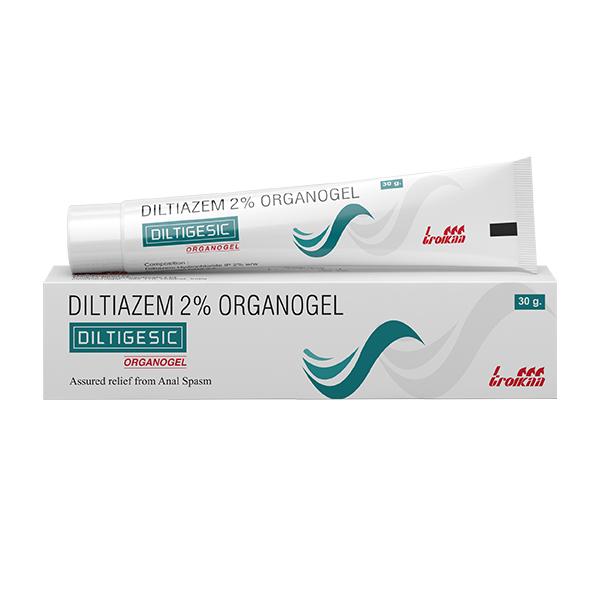
Diltiazem zalf refers to an ointment or topical preparation containing diltiazem. Diltiazem itself is a calcium channel blocker that has been used for cardiovascular conditions such as high blood pressure and angina. When prepared for topical application, it can have a different clinical purpose, particularly the treatment of anal fissures.
An anal fissure is a small tear around the anal opening. It can cause considerable discomfort because bowel movements repeatedly stretch the injured tissue. Common symptoms include sharp pain during defecation and bright red bleeding.
The internal anal sphincter can become tight after a fissure develops. This increased muscle tone may reduce local blood flow and contribute to delayed healing. Topical diltiazem works by relaxing this smooth muscle. NHS medical information confirms that diltiazem cream or ointment may be used to help heal an anal fissure.
The treatment is therefore aimed at the underlying muscle response rather than acting only as a conventional painkiller.
How the Treatment May Support Healing
The healing process of an anal fissure can be complicated by persistent sphincter spasm. Every bowel movement can produce another cycle of pain and muscle tightening.
Diltiazem belongs to a class of medicines that reduce calcium movement into muscle cells. In the anal sphincter, this pharmacological action can promote relaxation. Reduced muscle pressure can improve blood flow to the affected region and support tissue repair.
This approach is part of what is sometimes called chemical sphincter relaxation. It provides a nonsurgical option for patients who have appropriate anal fissure symptoms.
Clinical guidelines from the American Society of Colon and Rectal Surgeons identify topical calcium channel blockers, including diltiazem, as a medical treatment for chronic anal fissures.
However, treatment should begin with an appropriate diagnosis. A person should not assume that every painful anal condition requires diltiazem.
Using the Ointment Correctly
The correct application method depends on the prescribed preparation. Patients should always follow the instructions supplied by their doctor, pharmacist, or medicine leaflet.
Many clinical protocols use diltiazem topically twice per day. NHS information indicates that treatment for anal fissure commonly continues for six to eight weeks, depending on the patient's circumstances.
Good hygiene is important when applying a topical medicine to the anal region. Hands should generally be washed before and after application. Some clinical instructions recommend a disposable glove or finger covering.
The medicine should be used in the amount and location recommended by the prescriber. Different formulations may have different instructions, so copying the application method from another person's treatment is not appropriate.
If a patient forgets an application, they should follow the instructions supplied with their particular product or ask a pharmacist what to do. Applying an excessive amount to compensate for a missed application is not generally advisable.
Possible Reactions and Side Effects
Topical treatment does not mean that side effects are impossible. Diltiazem may be absorbed through local tissues, and some people experience effects beyond the application site.
Local burning, itching, or soreness can occur. Headache, dizziness, and light-headedness are also recognized effects associated with topical diltiazem.
Patients should pay attention to symptoms that interfere with normal activities. Significant dizziness can increase the risk of falling, particularly when standing quickly. Anyone who develops persistent or severe symptoms should contact a healthcare professional.
An allergic reaction requires prompt medical attention, particularly if there is significant swelling, difficulty breathing, or widespread rash.
Patients should also tell their healthcare professional about existing medical conditions and all medicines they take. This allows the clinician to consider possible interactions and individual risk factors.
Managing Constipation During Treatment
Diltiazem treatment works best when the fissure is not repeatedly traumatized. Constipation can make this difficult because hard stool may stretch or reopen the affected area.
Dietary fibre is therefore an important part of conservative anal fissure management. Fibre from vegetables, fruit, whole grains, and other foods can help maintain suitable stool consistency. Adequate water intake is also important.
People should avoid prolonged straining during bowel movements. Ignoring the urge to use the toilet can allow stool to become harder and more difficult to pass. Regular physical activity may also support bowel health.
NHS guidance recommends fibre, adequate fluids, exercise, and other measures to reduce constipation and support fissure healing.
Warm water can also provide temporary relief from discomfort. Warm sitz baths are commonly recommended in patient guidance because they can soothe the area and may help relax the anal sphincter.
How Doctors Decide Whether Diltiazem Is Appropriate
A doctor considers several factors before recommending topical diltiazem. These can include the symptoms, duration of the problem, physical findings, previous treatments, other medical conditions, and medicines currently being used.
Acute fissures may sometimes improve with bowel-management measures alone, whereas chronic fissures can require topical medication or specialist treatment.
Diltiazem is not appropriate simply because someone has anal discomfort. Other causes, including haemorrhoids, inflammatory conditions, infections, and other colorectal disorders, can produce similar symptoms.
For this reason, self-diagnosis is not always reliable. Persistent bleeding or unexplained pain should be evaluated by an appropriate healthcare professional.
Where diltiazem is selected, treatment is usually monitored according to the response. If the fissure fails to heal, further evaluation may be necessary.
Other Options When Treatment Does Not Work
Diltiazem is not the only treatment available for anal fissures. Topical glyceryl trinitrate is another medication used to relax the anal sphincter. Clinical guidance notes that diltiazem and GTN have different side-effect patterns and may be selected according to the patient's circumstances.
Some patients may require additional treatment when conservative measures do not produce adequate healing. A specialist may consider botulinum toxin injection in appropriate cases. Surgery can also be considered for selected chronic fissures that do not respond adequately to medical management.
The decision to progress to another treatment should be made by a qualified clinician. Surgical and procedural treatments have their own benefits and risks and should not be approached as simple alternatives to self-treatment.
Responsible Online Research About Diltiazem
People researching diltiazem zalf online may encounter many types of information. Some pages are written for patients, some for healthcare professionals, and others are commercial in nature.
The quality of online information can vary considerably. A commercial research-chemical or medicine-related website such as europeresearchchem.com should not be considered a substitute for a licensed healthcare professional, official medicine information, or a prescription.
Before using any topical medicine, patients should confirm what the product contains, what concentration is intended, how it should be applied, and whether it is appropriate for their diagnosis. These questions are especially important because formulations marketed in different countries may have different regulatory statuses.
Reliable patient information from recognized healthcare institutions can help people understand medical terminology and prepare questions for a consultation. It should complement, rather than replace, individualized medical advice.
Diltiazem zalf has an established role in topical management of suitable anal fissures. Its potential benefit comes from relaxing the anal sphincter and supporting the healing environment. Safe use depends on correct diagnosis, appropriate prescribing, careful application, attention to side effects, and measures that keep bowel movements soft. When symptoms persist or return, professional medical evaluation is the appropriate next step.